Privilege and Opperession

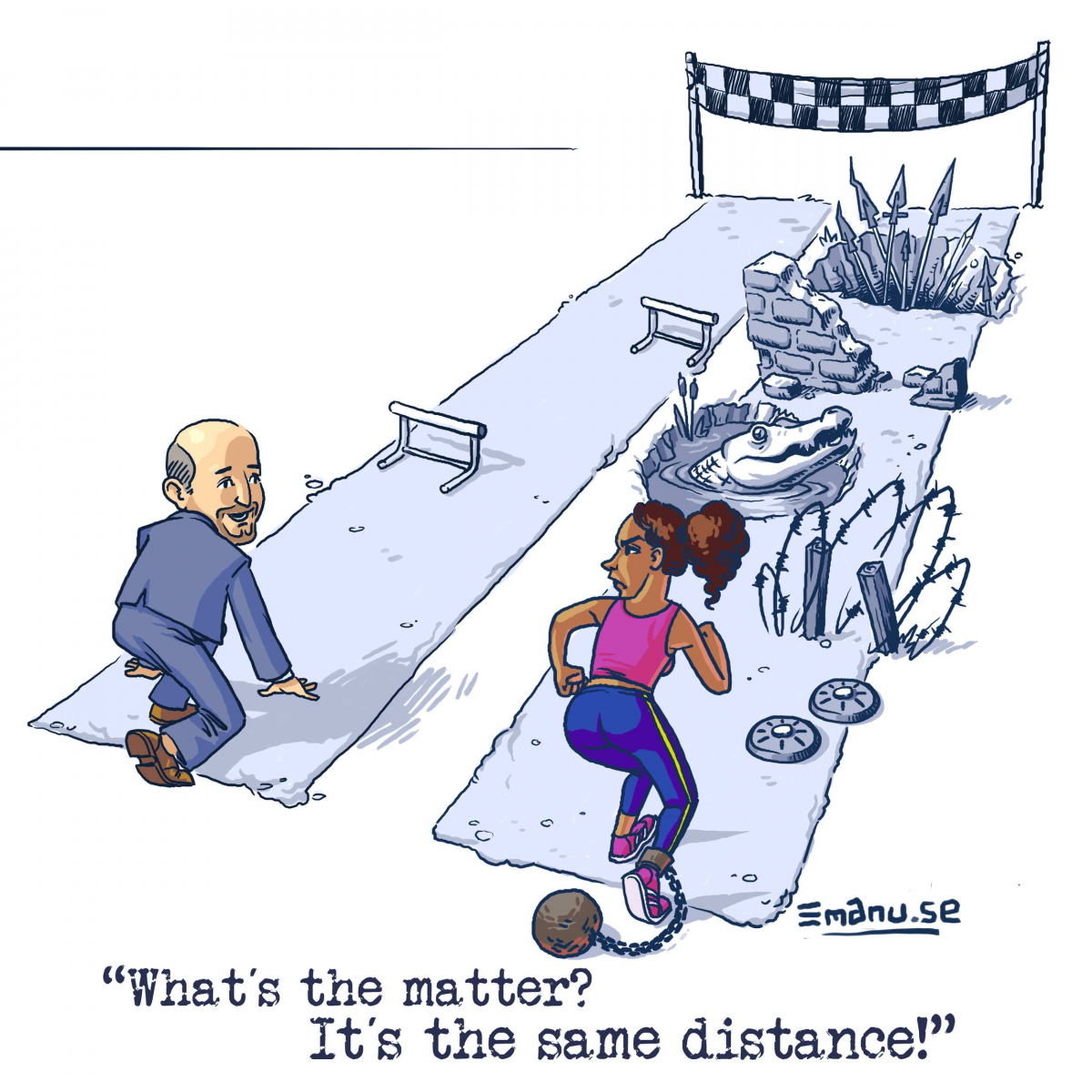
Privilege is unearned advantages, immunities or access granted to members of a dominant social group solely based on their membership in that group. Although privilege does not mean it will never happen, it just means that those certain obstacles seem like they will not happen easily. In the meanwhile, oppression is neither just individual prejudice nor personal dislike, it is the systemic, historical and institutional mistreatment as well as devaluation of specific social groups. Oppression is shaped not only from sex and gender, but it is also an intersection of multiple factors such as races, classes, genders, or backgrounds. In comparison, privilege and oppression sound like two opposite concepts, but they both exist at the same time in one individual in a society. We all are shaped from multiple layers of identity, some of those layers give us specific privileges while some others give us oppressions.

References

"A Black Feminist Statement" and "Explaining White Privilege to a Broke White Person"

The article “Explaining White Privilege to a Broke White Person” by Corsley-Corcoran was trying to prove that despite the privilege of being a white person, it does not automatically make their lives easy, it just grants white people specific advantages and avoids some unnecessary difficulties. In addition, Combahee River Collective’s article “A Black Feminist Statement” illustrates that oppression can overlap because it was brought up by multiple identities such as gender, race, class and so on. Together, these readings show that different layers of identity give us different types of disadvantages as well as advantages, which means that they both can happen to the same person, they both exist at the same time.

Although our economic position is still at the very bottom of the American capitalist economy, a handful of us have been able to gain certain tools as a result of tokenism in education and employment which potentially enable us to more effectively fight our oppression.

Zootopia

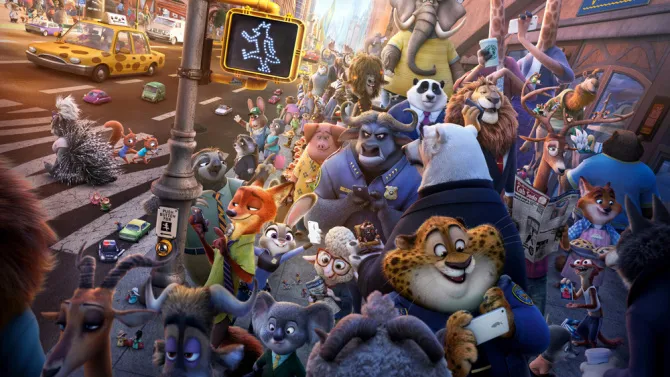
An American animated comedy film Zootopia by Walt Disney Animation Studios can show us how privilege and oppression coexist in one individual in a society. Basically, Zootopia is about a rabbit rookie cop - Judy Hopps and a fox con artist - Nick Wilde working together to uncover some cases in their area alongside with the stories of their lives and their society. Being born as a fox, Nick was automatically treated as a bad “shifty fox” and got bullied as a child, which clearly demonstrates the oppression that Nick has to face because of his identity. Judy was born in a massive rabbit family as a part of the prey class in Zootopia’s hierarchy, which gives her a lot of privileges as well as a blind spot about the view of predators like Nick, thus, Judy didn’t have much struggles in the path to becoming a police officer. However, at the same time, Nick was also granted the physical street-smarts, and he had nothing to worry about, he could navigate himself and exploit the system through his hustle. Judy had to fight against her gender and the sarcasm about her size to do well in her job, but she still got boring tasks like parking duty instead of what she wanted to do. Ultimately, Zootopia can represent pretty well the fact that privilege and oppression appears everywhere, towards any individual in any society.

Zootopia

Personal Reflection

Being an Asian girl along with my own experience tells a lot about my privileges and oppressions. The tradition which I grew up with gives me strong values of education and cultural manners, and it quips me with more confidence now when I go out of my area and I have more opportunities in my academic and career path. However, it also came with a lot of pressure under traditional Asian parenting style, high expectations from the family, society and even myself. In addition, as a woman, although we are able to be prioritized in many aspects and treated much softer than men, we are narrowed our opportunities in some specific fields due to the social expectations. These experiences are really useful to acknowledge that we all have several advantages in some specific aspects, but struggles can always happen.

Learning our own privilege is necessary because it can allow us to recognize the opportunities that we can utilize, and we do not need to feel guilty for the benefits coming from our identities. Moreover, there is also a need to identify your mistreatment as knowing what our oppression is can encourage us to discover ways to improve the problems, and it also reinforces our empathy to other people with similar backgrounds. Together, they two always coexist at the same time but might be in different ways.

Conclusion

In conclusion, people can witness both privilege and oppression depending on their identities and social positions at the same time. Reflecting on our own backgrounds, we can recognize particular advantages and disadvantages so that we can utilize our opportunities and find proper ways to overcome the challenges. This raises several questions to all of us: How can you identify your privilege and oppression? What are you going to do with them?

Citation